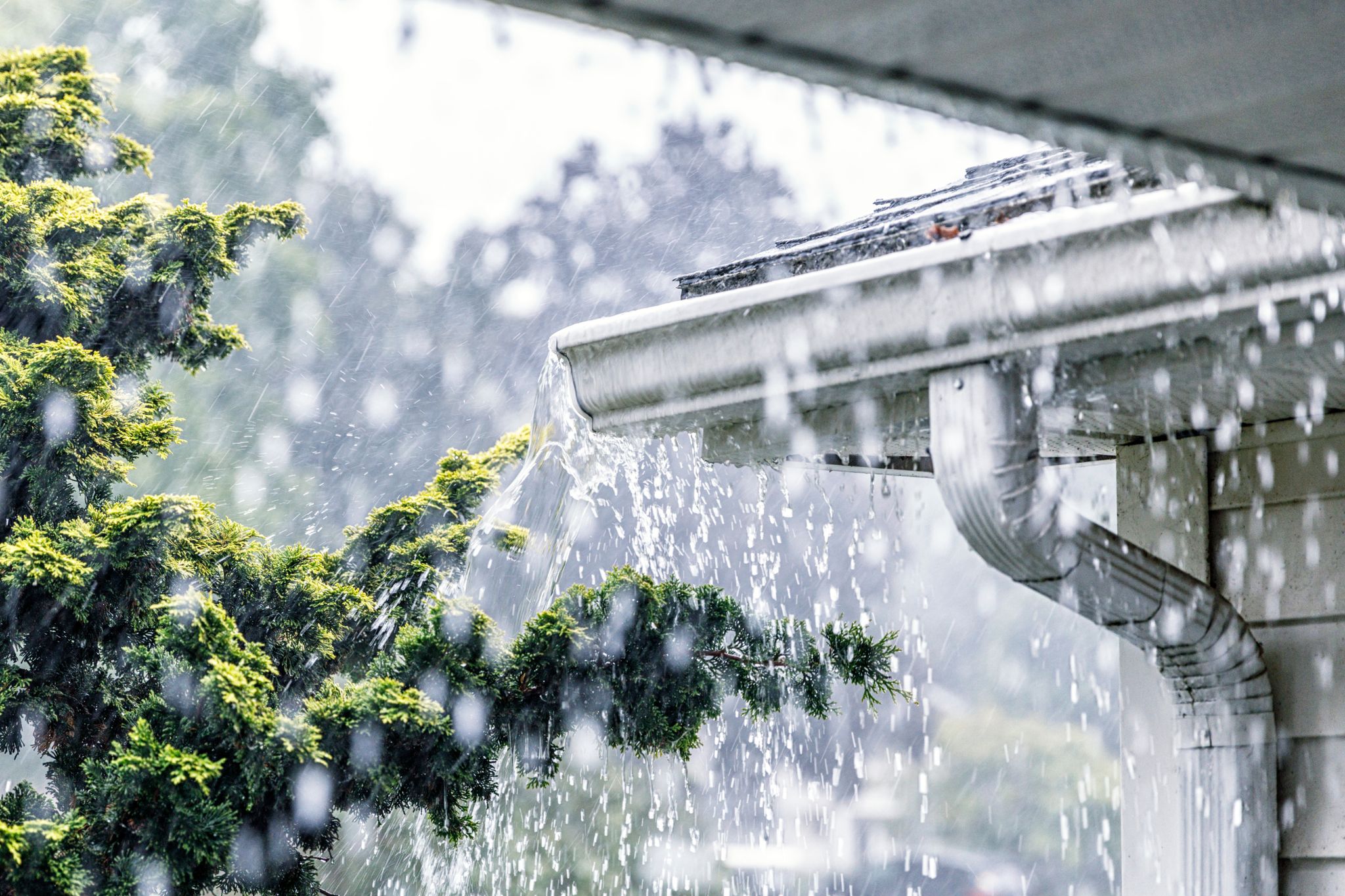
There’s a predictable moment every year in Los Angeles. The first real storm rolls in after months of dry weather, and all over the city, gutters that looked perfectly fine suddenly overflow, back up, and spill water where it shouldn’t go. The clog was there the whole time. The rain just revealed it.
The trick to rainy-season gutter preparation in Los Angeles is simple: handle it before that first downpour, not during it. A little attention now, while the weather is still dry, is the difference between watching the rain do its thing and scrambling for a ladder in the middle of it. Here’s why the timing matters and exactly what to check.
Don’t wait for the first downpour
Here’s the pattern worth getting ahead of. When the first storm hits, two things happen at the same time. Every neglected gutter in LA announces itself at once, and every homeowner picks up the phone on the same afternoon. Suddenly the whole city needs the same help in the same forty-eight hours.
That crunch works against you. Schedules fill, lead times stretch, and the emergency calls pile up while water is actively pooling against foundations. Booking service in the dry weeks beforehand flips the whole thing in your favor:
- You choose the timing. Pick a date that suits you instead of waiting out a backlog while the forecast turns.
- The work is cleaner and safer. Dry debris is lighter and easier to clear than the soaked, heavy sludge that fills gutters mid-storm, and dry footing makes the job safer.
- There’s time to fix what turns up. If a check reveals a sagging run or a bad slope, you can repair it properly before it matters, rather than patching in a panic.
It’s the same logic that makes summer the smart time for gutter service, now with a deadline attached. The rain is coming on its own schedule. Your gutters should be ready before it arrives, not because of it.
Your pre-rain gutter check
You don’t need to be a professional to run a basic pre-season check. Most of it can be done from the ground or with a careful look, and it tells you quickly whether your gutters are ready or need attention. Anything involving a ladder or the roof is worth handing to a pro.
1. Clear the debris. Months of dry weather leave gutters full of leaves, seeds, twigs, and roof grit that has baked into a dense mat. That buildup is the number one cause of storm-season overflow. Clearing it out, by hand rather than with a leaf blower alone, is the single most important step. A professional gutter cleaning handles both the gutters and the downspouts so nothing is left behind.
2. Confirm the water actually flows. A clean-looking gutter can still hide a clog further down the line. Run a hose into the gutter and watch how it moves. Water should travel smoothly toward the downspouts and exit freely at the bottom. Slow drainage or standing water is a sign something is still blocked.
3. Check the downspouts and slope. Make sure water exits the downspouts with force and is carried several feet away from the foundation, not dumped right beside it. While you’re looking, check that the gutters still pitch gently toward the downspouts. A gutter that sags or drains the wrong way will pool water and overflow no matter how clean it is.
4. Look for overflow streaks and other warning signs. Dark vertical streaks on the outside of the gutter are dried dirt from past overflow, a telltale sign the system spilled over instead of draining. Also watch for sagging sections, peeling paint or rust, and gaps pulling away from the fascia.
Any of these means the system needs more than a rinse before the rains arrive.
If you’d like a fuller month-by-month rhythm for keeping gutters healthy year round, our season-by-season gutter care guide lays it all out.
Storm-ready, whatever the season brings
Los Angeles winters are unpredictable. Some years are quiet; others, especially in an El Niño pattern, bring heavy, back-to-back storms that test every roofline in the city. There’s no way to know in advance exactly what any given season will deliver, which is precisely the argument for being ready regardless.
Clean, free-flowing, well-pitched gutters do the same essential job in a light drizzle or a series of atmospheric rivers: they catch the water and carry it safely away from your home, protecting the roof, siding, and foundation from the damage that runoff causes when it has nowhere to go. Preparing early means you’re covered whether the season turns out mild or fierce. For homeowners who want to go further on heavy-storm readiness, our El Niño gutter preparation page walks through how we help homes get storm-ready.
Book your pre-season inspection
The window to get ahead of the rains is the dry stretch right before them, and it doesn’t stay open long once the first clouds gather. If it’s been a while since anyone looked at your gutters, now is the time.
Schedule a free pre-season inspection and we’ll make sure your gutters are clear, flowing, and ready before the first storm arrives, so when it does, the only thing you have to do is listen to the rain.
Licensed, Bonded & Insured · California Contractor License #1140218